Crystal Compass
Moonstone Identification: Sheen, Look-Alikes & Care
Moonstone identification is about how light behaves inside a feldspar, not simply whether a stone looks milky or blue. Look for a floating sheen as the viewing angle changes, then consider the material’s shape, internal features and seller description. Even an attractive blue flash does not certify mineral species, treatment or origin.
Updated October 19, 2026. A source-based guide, not a laboratory identification or a report on a specimen tested by Crystal Compass.
Observe the light · Rainbow moonstone · Look-alikes · Jewelry care
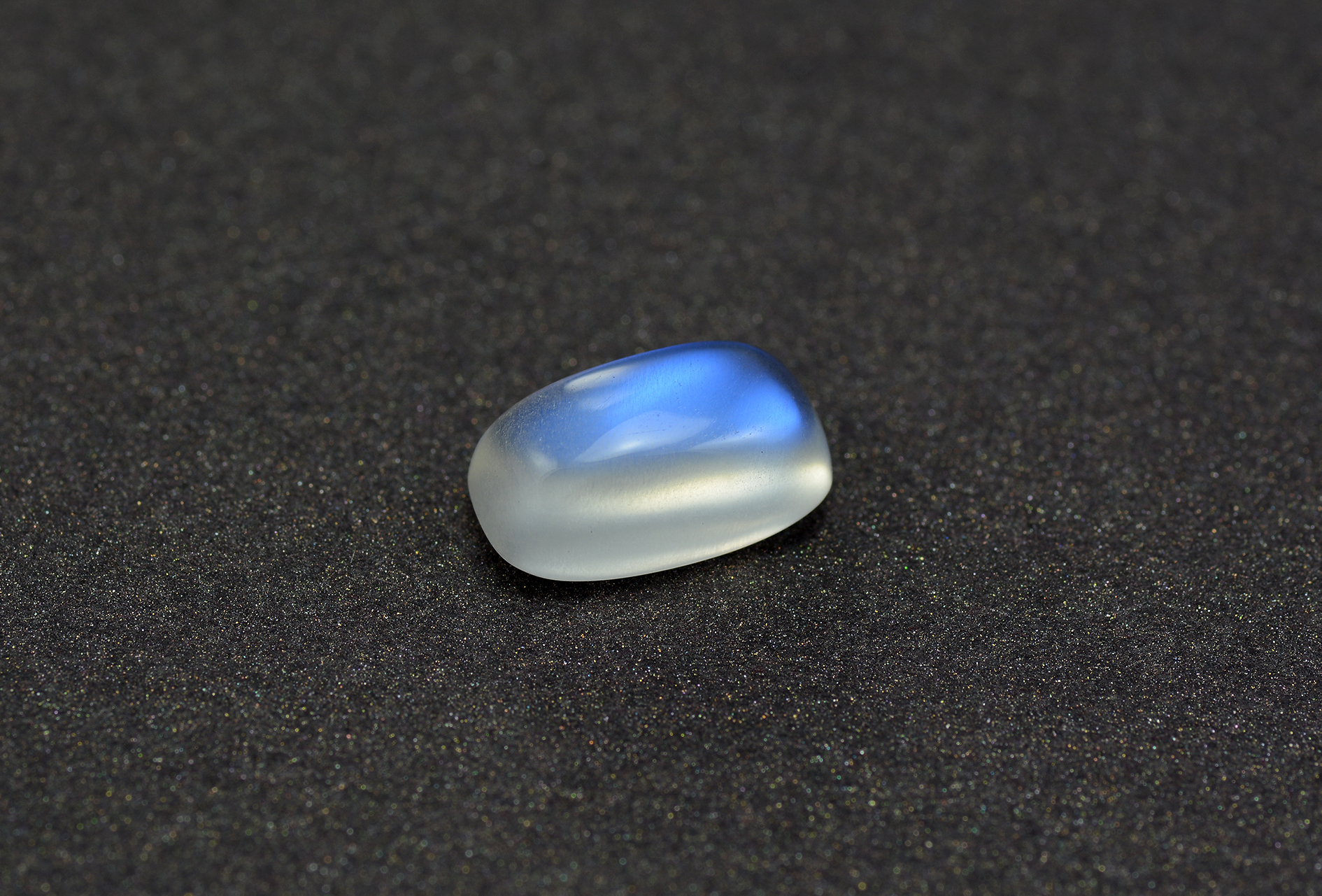

What makes a moonstone look luminous?
GIA explains adularescence as light scattered by fine internal feldspar layers, producing a glow that appears to move as the gem turns. Classic moonstone is associated with orthoclase and albite intergrowth; other feldspars can also display this effect. Read GIA’s moonstone description and visual examples for the optical explanation.
A useful distinction is between body color, which belongs to the material’s overall appearance, and sheen, which changes with viewing conditions. A photograph may capture a strong sheen, miss it entirely or exaggerate it with lighting. Compare more than one view before deciding what the seller is showing you.
A five-minute observation without scratching
- Use one ordinary light and a neutral background. Avoid colored LEDs and image filters. Put the stone on a soft support so it cannot roll or drop.
- View it from several angles. Gently rotate a sound loose piece, or move the light around a mounted piece. Watch whether a soft glow appears beneath the surface rather than simply following a sharp surface reflection.
- Record two or three positions. A short unfiltered video is more informative than a single “best flash” photograph. Keep the lighting constant so the comparison means something.
- Inspect the back and edges. Note existing cracks, chips, coatings, seams or glue. Do not try to open a fracture or pry a stone from its setting.
- State what remains unknown. “Shows a moving sheen” is an observation. “Natural untreated orthoclase from a specific mine” is a stronger claim that needs additional evidence.
If you see only a white glare, change the angle before drawing a conclusion. If no useful feature appears, do not invent certainty: ask for a clearer video or professional identification.
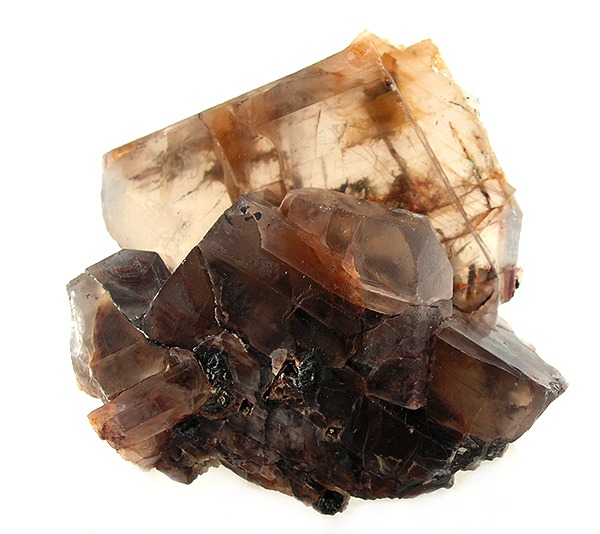

Is rainbow moonstone “fake” moonstone?
Not simply because of its name. GIA identifies the material commonly traded as rainbow moonstone as a variety of labradorite rather than orthoclase. It is still feldspar. A precise listing should give the material identity and explain the trade name, not imply that every product called moonstone is mineralogically identical.
For a purchase, ask: “Do you mean orthoclase moonstone, labradorite sold as rainbow moonstone, or another material?” This is a better question than asking only whether it is “real,” because different sellers may be answering different definitions.
Three comparisons worth making
Moonstone versus opalite glass
Opalite in many jewelry listings means a manufactured opalescent glass. A milky-blue appearance is not enough to tell the two apart. Check the exact seller description, examine several views and look for manufacturing features without treating any single clue as decisive. Our moonstone vs opalite comparison covers this specific question; opalite vs opal explains another commonly confused name.
Moonstone versus other feldspars
Feldspar names can overlap with trade names. A broad flash, glitter or a soft glow may suggest different optical effects, but photographs and marketing names do not settle the mineral species. Ask a gemologist what the appearance can and cannot establish for the actual object.
Moonstone versus a pale stone with a polished reflection
Many polished materials reflect a lamp. Follow the bright patch as the angle changes and compare the softer interior-looking effect shown in reference material. Do not conclude that any white shine is adularescence. Transparent fractures and reflections can be confusing in a static photograph.
Rings, pendants and bracelets need different decisions
GIA gives moonstone a Mohs hardness of about 6–6.5 and poor toughness. It recommends warm soapy water and advises against steam and ultrasonic cleaning. Sudden temperature changes can cause damage. Source: GIA moonstone care.
- Ring: consider a setting that protects exposed edges, and remove it for tasks that strike the stone against hard surfaces. A secure setting is not protection from every blow.
- Pendant or earrings: these may encounter less impact in ordinary use, but still inspect prongs and avoid drops.
- Bracelet: think about repeated contact with a desk, neighboring beads and metal fittings. Check existing chips and string wear.
- Unknown treatment or construction: ask the maker before wet cleaning; care must cover glue, coatings, cord and metal as well as the stone.
For a common combination, read rose quartz and moonstone together. Keep jewelry in individual soft compartments rather than loose with harder stones.
Buying checklist
- Request an unfiltered video of the actual stone turning under a single light.
- Ask for the mineral identity behind the trade name.
- Ask whether treatments, coatings, assembled parts or repairs are known.
- Check the return policy and the scope of any report before paying a premium for origin or treatment claims.
Meaning without a medical promise
You can choose moonstone as a personal symbol of change or reflection. Such symbolism does not establish an effect on fertility, hormones, sleep or disease. Its optical beauty is real without needing those promises.
Explore the crystal library, identification chart, or non-destructive observation guide.