
Identification & care guide
Garnet vs Ruby: Key Differences and Safe Checks
Ruby is red corundum; garnet is a group of different minerals. Their red colors can overlap, but their hardness and optical properties differ. Ruby has greater scratch resistance. That does not mean every ruby is a better jewelry purchase, or that a red stone can be identified from its brightness.
If you are trying to identify a stone you already own, start with the identification section below. If you are choosing jewelry, compare the particular stones, their condition, and their treatment disclosures—not just the names on the price tags.
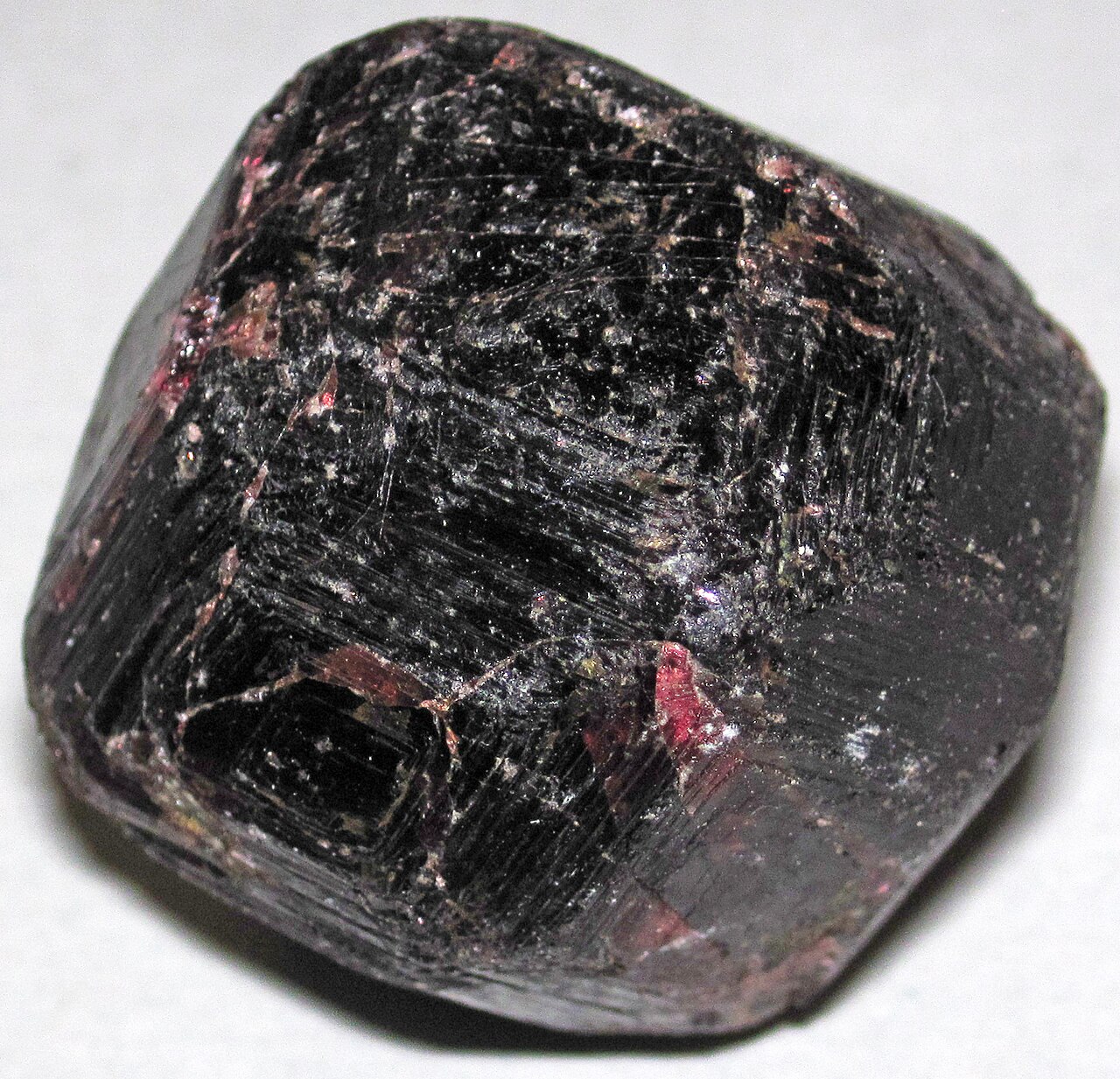
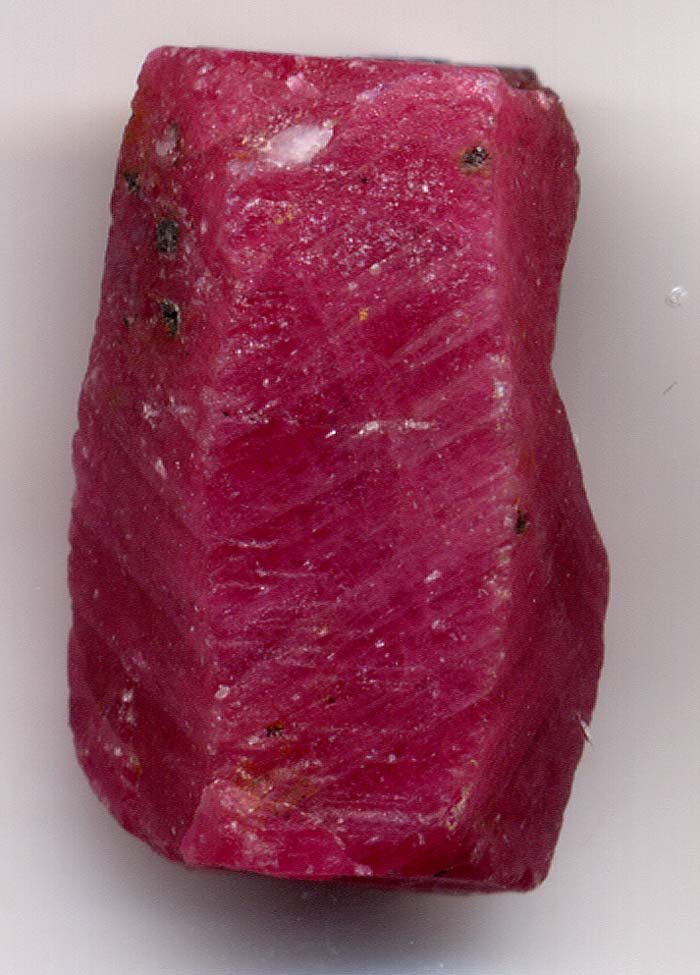
The main differences between garnet and ruby
This comparison focuses on red garnets that can resemble ruby. Garnets also occur in many other colors, and their properties vary with composition. GIA describes garnet as a mineral group, whereas ruby is a variety of corundum.
On small screens, swipe the table sideways to compare all columns.
| Feature | Red garnet | Ruby |
|---|---|---|
| Material | Members and mixtures within the garnet group | Red variety of corundum |
| Color | Can include orange-red, purple-red, and pure red | Can range from orangy red to purplish red |
| Mohs hardness | Generally 6.5–7.5, depending on type | 9 |
| Optical character | Singly refractive | Doubly refractive |
| Main buying question | Which garnet, in what condition and quality? | Natural or laboratory-grown, with what treatments? |
Hardness values come from GIA’s garnet care guide and ruby care guide. The optical distinction is discussed in GIA’s guide to mistaken gem identities. These are material properties, not instructions to scratch your jewelry or diagnose it from a photograph.
Garnet vs ruby color
“Dark red means garnet; bright red means ruby” is too simple. Pyrope and almandine can range from purple to orangy red, and some garnets have a pure red hue. Ruby gets its red from chromium and can also have orange or purple components. The ranges overlap. GIA garnet buying guide, GIA ruby description.
For shopping, compare photographs of the exact pieces in similar lighting. Ask for an ordinary-light image as well as the seller’s most flattering close-up. Decide whether you like the stone’s appearance without turning that preference into an identification result.
Avoid a comparison in which one stone is photographed against black under a spotlight and the other against white in shade. Ask for more comparable views. A photograph that shows a color you love can help you choose a style; it cannot confirm the seller’s material claim.
How to tell garnet from ruby
For an unknown red gemstone, do not assume these are the only two possibilities. Red spinel, for example, has historically been mistaken for ruby. A useful identification process must allow an answer other than either label you started with.
Gemologists can examine how a stone behaves optically, alongside other observations. Ruby is doubly refractive; red garnet and spinel are singly refractive. This helps separate ruby from those alternatives, but a result consistent with single refraction is not automatically proof of garnet. GIA explains why multiple observations matter in gem identification.
If you inherited a red ring
Keep family descriptions as part of its history, not as a substitute for identification. Record any paperwork and photograph the ring from above, below, and both sides. Note existing damage without trying to expose a new surface.
Then ask a qualified gemologist to identify the stone in its setting if possible. Explain whether you need a material identification, a treatment assessment, or a separate valuation. Ask about the limitations of examining a mounted stone before agreeing to removal.
If you are considering an online purchase
Ask the seller to state the material on the invoice. If the listing says ruby, request written clarification of natural versus laboratory-grown origin and any known treatment. A color description such as “ruby red” is not the same answer as “ruby.”
Save the listing and return terms before ordering. If the seller provides a report, compare its photograph and descriptive details with the actual item. Do not rely on the presence of a laboratory logo alone.
If you found a red crystal in a rock
Keep the rock intact and record where it was found, if known. Photograph the whole specimen before taking close-ups. Begin with a broad identification request rather than asking someone to confirm ruby from the best-looking red patch. Our non-destructive crystal identification guide provides a general observation checklist.
Why a UV light is not a final test
Many rubies fluoresce red, but the response is variable. Iron can suppress ruby’s fluorescence, so a weak response does not by itself rule ruby out. GIA ruby description.
The reverse conclusion is unreliable too: a strong glow does not establish natural ruby. Both some natural rubies and laboratory-grown rubies can fluoresce strongly. GIA treats UV observation as screening that may indicate a need for further testing, not conclusive identification. GIA fluorescence testing guide.
You do not need to buy a UV lamp to begin checking a seller’s claim. Written disclosure and appropriate examination are more useful next steps than attempting to reproduce a dramatic glow from a video.
Which is better for a ring
Ruby’s Mohs hardness of 9 gives it greater resistance to scratching than garnet. Corundum also has excellent toughness. However, treatments can change its care requirements: glass-filled ruby needs more care than untreated or heat-treated ruby. A ruby label alone does not settle durability. GIA ruby care guide.
Garnets can be used in rings and other jewelry with appropriate care. Their toughness is fair to good, and they should be protected from hard blows and rough wear. GIA garnet care guide.
For your own choice, describe your normal routine to the jeweler. A ring worn at a desk and removed for physical work has a different use pattern from one that never comes off. Ask them to assess the stone’s condition and setting, then explain the care it will require. Do not choose on hardness alone.
Comparing price without being misled
Fine ruby can command very high prices, but the name is not a fixed price bracket. Color, clarity, size, and treatment matter; even a famous geographic origin does not guarantee high quality. GIA ruby buying guide.
Garnet also needs a more specific description than “the cheaper red stone.” Its varieties differ in availability and quality, and cut affects appearance. GIA notes that seller labels such as AAA are not part of a standard garnet quality-grading scale. GIA garnet buying guide.
Compare actual offers using the same questions:
- What exactly is the stone being sold as?
- What is disclosed about treatment or laboratory-grown origin?
- Are you comparing similar dimensions and jewelry construction?
- What independent evidence accompanies the identity claim?
- What are the return terms if an independent examination disagrees?
An attractive price is a reason to evaluate an offer, not evidence that its identification is correct. This guide does not assign a value to an unseen stone.
When a laboratory report helps
Consider an independent report when the purchase is important to you, documentation conflicts, or natural origin and treatment status are central to the price.
A GIA colored-stone identification report, for example, identifies the gem material and includes detectable treatments and whether it is natural or laboratory-grown. It also includes a photograph and descriptive details. GIA sample colored-stone reports.
Ask the provider what its service covers, whether a mounting limits the examination, and what the fee and turnaround will be. Verification should answer the question you actually need resolved.
Frequently asked questions
Is garnet a fake ruby
No. Garnet is a different gemstone material. A garnet accurately sold as garnet is not a fake ruby; misrepresenting it as ruby is the problem.
Can garnet look like ruby
Yes. Their red color ranges can overlap. Appearance may suggest questions to investigate, but it is not a complete identification.
Does a red glow prove a stone is natural ruby
No. Fluorescence alone cannot confirm identity or separate every natural ruby from laboratory-grown material.
Should I scratch the stone to find out
No. Do not scratch a finished gemstone, ring, or sentimental specimen to apply this comparison. Preserve its condition and seek an examination when identification matters.
Which should I choose
Choose the particular piece whose appearance, documented identity, care requirements, and price suit you. If you already own an unknown red stone, identify it before making a decision based on either name.
For more background, explore our garnet guide and ruby guide. This educational comparison does not authenticate an individual item; see our sources and methodology for how we handle evidence.
Related identification guides
Pyrite vs Gold: Differences and Identification · How to Tell If Jade Is Real: Safe Checks · Crystal identification chart
Reference databases
Property and care guidance is checked against established mineralogical and gemological references. See our sources and methodology.