
Identification & care guide
Pyrite vs Gold: Differences and Identification
Pyrite is iron sulfide, not gold. The two can look similar because both may appear metallic and yellowish, but their chemistry and physical behavior differ. A shiny patch in a rock is a reason to investigate, not proof that you have found valuable gold.
There is a second distinction that matters just as much: identifying a visible grain is not the same as measuring how much gold a whole rock contains. This guide keeps those questions separate.
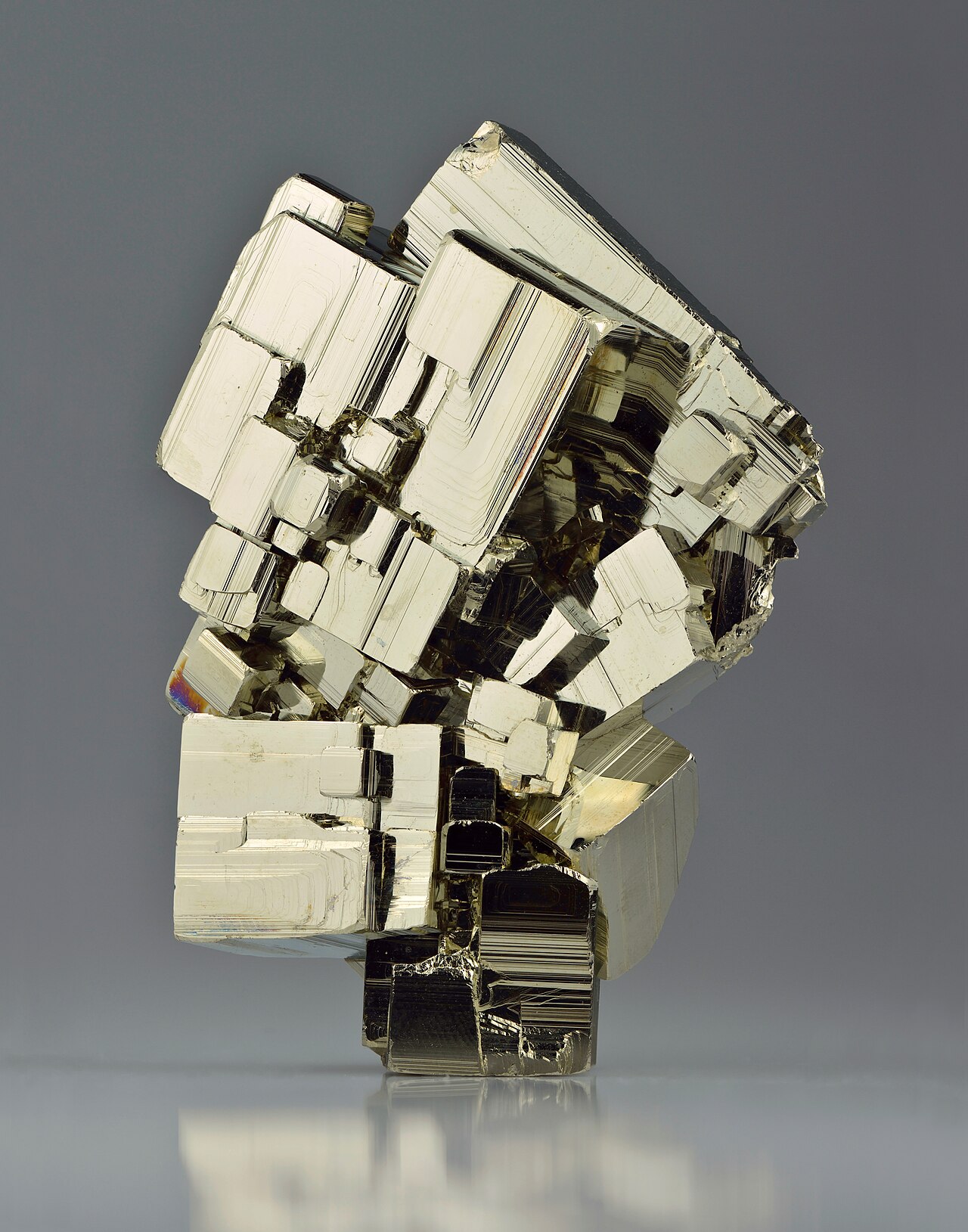
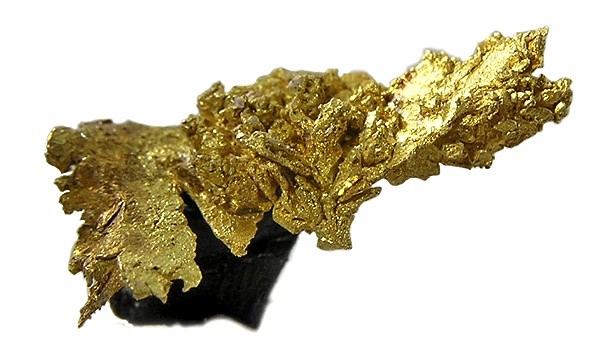
Pyrite versus gold at a glance
On small screens, swipe the table sideways to compare all columns.
| Feature | Pyrite | Gold | Practical limit |
|---|---|---|---|
| Material | Iron sulfide | A metallic element | Appearance alone does not establish composition |
| Typical impression | Brassy metallic appearance | Golden metallic appearance | Light and surrounding minerals affect photographs |
| Mechanical behavior | Brittle | Malleable | Testing this can damage a specimen |
| Streak | Dark rather than golden | Golden yellow | A streak test removes material |
| Presence in a rock | Can occur alongside gold | May occur with other minerals | One visible grain does not characterize the whole sample |
For the basic material distinction, see Thermo Fisher’s pyrite overview. The USGS explains the contrast between gold and common lookalikes in its fool’s gold FAQ.
First ask whether you are testing a grain or a rock
Imagine a white rock with several brassy spots. You photograph the largest spot, and someone suggests pyrite. Even if that particular grain is correctly identified, two separate questions remain: what else is in the rock, and what amount of any valuable material is present?
Do not turn a localized observation into a statement about every part of the specimen. Likewise, a small amount of an element detected in one spot does not automatically tell you the composition of a larger rock, collection, or deposit.
When asking for help, state the question precisely: “What is this visible mineral?” is different from “Does this sample contain measurable gold?” The person or laboratory assisting you can then recommend an appropriate examination.
Why color is not enough
The USGS notes that pyrite, chalcopyrite, and weathered mica can all be mistaken for gold. A gold-colored appearance therefore does not narrow the possibilities to just two materials.
Take clear photographs under neutral lighting, including an overall image and close-ups with a scale. Keep the original file without color-enhancing filters. Record the collection locality if known and whether the object has been polished, coated, or mounted.
Those observations help an examiner understand the specimen. They do not constitute a certificate, and a confident comment on a photograph should not substitute for testing when the identification matters.
Why familiar home tests are not harmless
The USGS describes differences in indentation and streak: gold is soft and leaves a golden streak, while common lookalikes behave differently. These are useful mineral properties, but applying a point or rubbing material onto a testing surface alters the specimen.
Do not scratch a collectible crystal, scrape jewelry, or crush an attractive rock simply to follow an online checklist. A test can destroy a surface feature while still leaving uncertainty about mixed material. If the item has monetary or sentimental importance, start with professional advice about non-destructive options.
Heating, acid treatment, and attempts to extract metal are not appropriate first identification steps. They introduce risks and do not solve the underlying question of whether the sample and method are suitable.
Can pyrite contain real gold?
Yes, some pyrite is associated with gold, and gold can occur within its structure or as inclusions. The USGS discusses this relationship in The Golden Rule on April Fools.
That fact does not establish that your specimen contains a useful amount. “Pyrite can contain gold” and “this rock is valuable gold ore” are very different claims. Keep a specimen’s mineral identity, measured gold content, and economic value as separate questions.
What professional analysis can and cannot answer
Thermo Fisher describes X-ray fluorescence as a technique for measuring elemental composition and notes that coatings or other surface material can complicate the question being asked. Its explanation of XRF and pyrite is a useful introduction to the method, not a guarantee for every specimen.
Before arranging analysis, ask:
- Is the aim mineral identification or measurement of gold content?
- Which part of the item will be examined?
- Is the method suitable for the material and expected concentration?
- Will preparation remove or damage any material?
- What will the written result actually establish?
If a result will be used for a sale, ask how the sample was selected and what limitations should accompany the report. A measurement without that context can be easy to overinterpret.
Keep the specimen and its story intact
Label the object with its source and the date of any examination. Keep photographs, original seller descriptions, and reports together. If the answer is provisional, say so rather than replacing an uncertain claim with a more confident one.
For general observation before testing, see our guide to identifying a crystal without damaging it. The next useful step is better evidence about the specific sample, not a more dramatic interpretation of its shine.
Related identification guides
Garnet vs Ruby: Key Differences and Safe Checks · Agate or Geode? The Difference Explained · Crystal identification chart
Reference databases
Property and care guidance is checked against established mineralogical and gemological references. See our sources and methodology.